Theories and framework for Sustainable Tourism
Training content:
The first training of the ENRICHER hubs took place in Kutaisi, Georgia, 1-4 October 2024. It gave an overview of the theories and framework for sustainable tourism development. The training covered the social, environmental and economic aspects of sustainable tourism. It also included the stakeholders of sustainable tourism development along with how the UN SDGs can be incorporated by companies and organisations to achieve sustainability in the tourism industry. The training also covered a variety of business and destination best practice cases relating to sustainable development in general and sustainable tourism in particular.
TOPICS:
- Sustainability
- Sustainability & Tourism
- Tourism4SDGs
- Implementation of Sustainability in Tourism
- Best practice cases from Austria, Finland and Italy
Tips & Resources:
The number of international tourists has grown from 25 million in 1950 to 1.5 billion in 2024. Tourism has become one of the fastest growing economic sectors and an important employer to many countries around the world. Tourism is a key driver in sustainable development. Read about why tourism matters here: https://www.untourism.int/why-tourism
Importance of tourism
To get an overview of the magnitude of tourism (e..g, flows, receipts, contribution to GDP, source markets and destinations), have a look at the statistics available on the UN Tourism Data Dashboard: https://www.untourism.int/tourism-data/un-tourism-tourism-dashboard
The growing numbers of tourism have resulted in challenges, e.g., overtourism. Read more about it here:
Link 1) Overtourism – What is it, and how can we avoid it?
Link 2) UNWTO 2019: ‘Overtourism’? – Understanding and Managing Urban Tourism Growth beyond Perceptions.
Tourism impacts
Understanding the impacts of tourism on the economy, environment, and society is essential for responsible destination management. Tourism has both positive and negative effects on the three levels of sustainability.
Tip: A practical and effective way to initiate this discussion is through the use of a Tourism Impact Canvas. This collaborative and visual tool enables stakeholders to map both the positive and negative impacts of tourism across the three pillars of sustainability.
- Take an A3 sheet of paper and write the destination name at the top.
- Divide the paper into three sections: Environment, Society, Economy.
- Split each section into positive and negative impacts (6 boxes total).
- Discuss how tourism affects the destination and write impacts in the correct boxes.
- Review the canvas to identify the most important issues.
The Tourism Impact Canvas serves as an excellent starting point for productive conversations, helping communities and destination managers identify and prioritise the most relevant impacts specific to their context. The canvas gives a good overview of the main issues. After the initial discussions, it is easy to look for relevant sources to back up the findings.
The concept of sustainability
To understand sustainable tourism, it is essential to first grasp the core concept of sustainability. Some relevant sources of information include:
- Sustainable development
- Tourism in the Agenda 2030
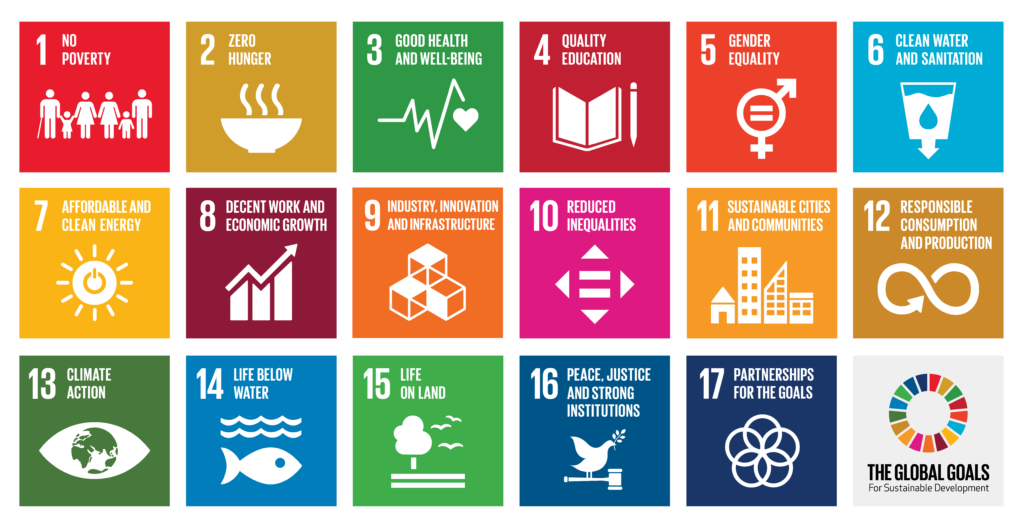
- UN SDGs
- Tourism4SDGs is a co-creation platform with many tools and inspiration
- SDG examples from Tyrol/Austria
Tip: A great way to learn about the SDGs and their connection to tourism is to assign one SDG per person or group and ask them describe the goals, sub-goals of the SDG, reflect on its connection to tourism, its connection to a destination/country, find 2 best practices for this SDG
Sustainability models
- Doughnut Economics
- The SDGs Wedding Cake
- Circular Economy & Circular economy in tourism
- Tourism Degrowth: Painful but Necessary
The concept of sustainability is evolving. Tourism is shifting from sustainability towards regeneration, where the idea is that tourism is a force for good and delivers a net positive benefit to people, places and nature. Regeneration is beyond just surviving, it is about thriving and revitalising the communities. Read more about regenerative tourism:
- Dredge D (2022), “Regenerative tourism: transforming mindsets, systems and practices”. Journal of Tourism Futures, Vol. 8 No. 3 pp. 269–281, doi: https://doi.org/10.1108/JTF-01-2022-0015
Trends and changing consumer behaviour in tourism
One of the aims of the ENRICHER hubs project is to shed light into the evolving consumer behaviour. It is important to follow what is happening on the consumer behaviour front and what travel trends say about tourism motivators and behaviour.
Check out these trend links for the latest in tourism trends and consumer behaviour to find out what sustainable consumers look for:
Tip: Trends are an inspiring way to start the conversation about the future and sustainability of tourism! Discuss trends with students by using a trend canvas, for example by Sitra or Lab8 by Haaga-Helia. The Sitra megatrend cards are a great way to think about the future and all the implications for sustainability. Find out more about the Sitra megatrend cards here.
Implementation of Sustainability in Tourism – Organizations working for sustainable tourism:
Global and European level:
- The UN Tourism International Network of Sustainable Tourism Observatories (INSTO) is a network of tourism observatories monitoring the economic, environmental and social impact of tourism at the destination level.
- Global Sustainable Tourism Council (GSTC) manages global standards for sustainable travel and tourism (for accommodation, tour operators, destinations).
- European Travel Commission (ETC)
National level:
- Sustainable Travel Finland is the national certification promoting sustainability of tourism companies and destinations, aiming at a sustainable tourism industry.
Regional level:
Best practices:
Check out these companies, organizations and destinations in the EU partner countries for best-practices in sustainability: