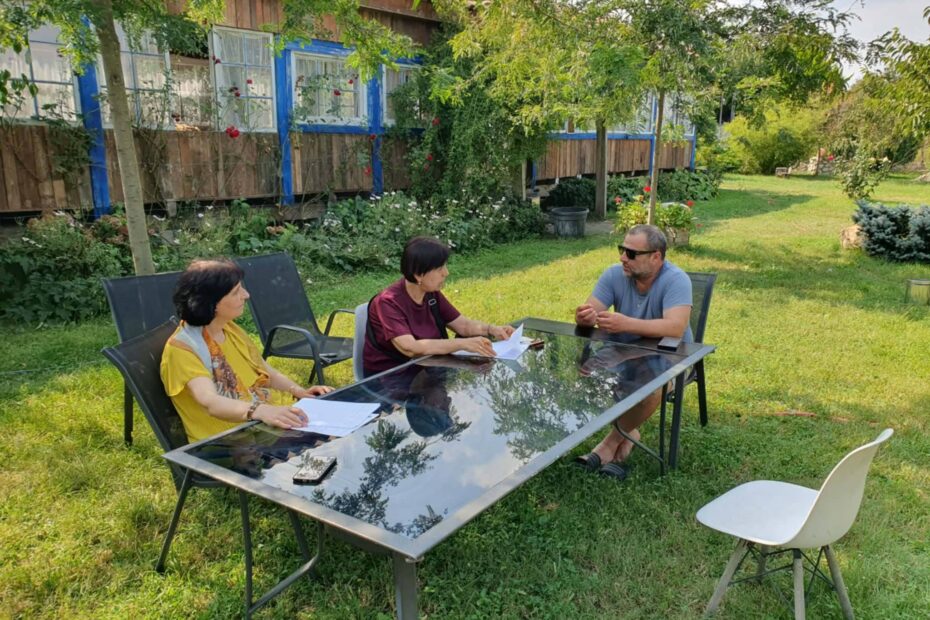
Associate Professors Tamar Tamarashvili and Maia Aladashvili of the Faculty of Social Sciences, Business and Law at Iakob Gogebashvili Telavi State University contributed to the fifth international scientific conference, “Global Challenges of Economics and Business and Sustainable Development – 2026,” held on 30–31 October 2026 in Batumi, Georgia.
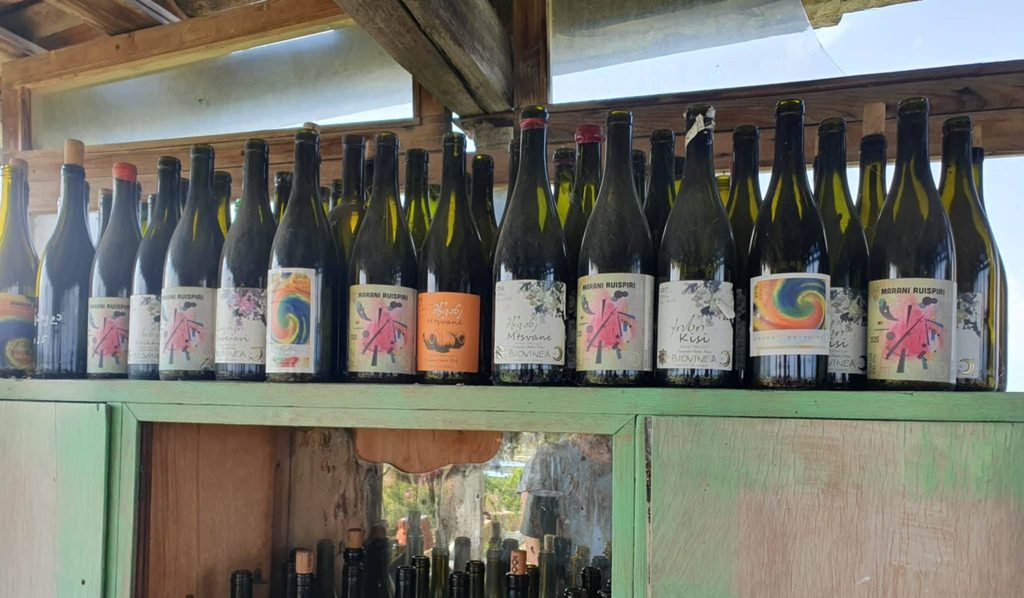
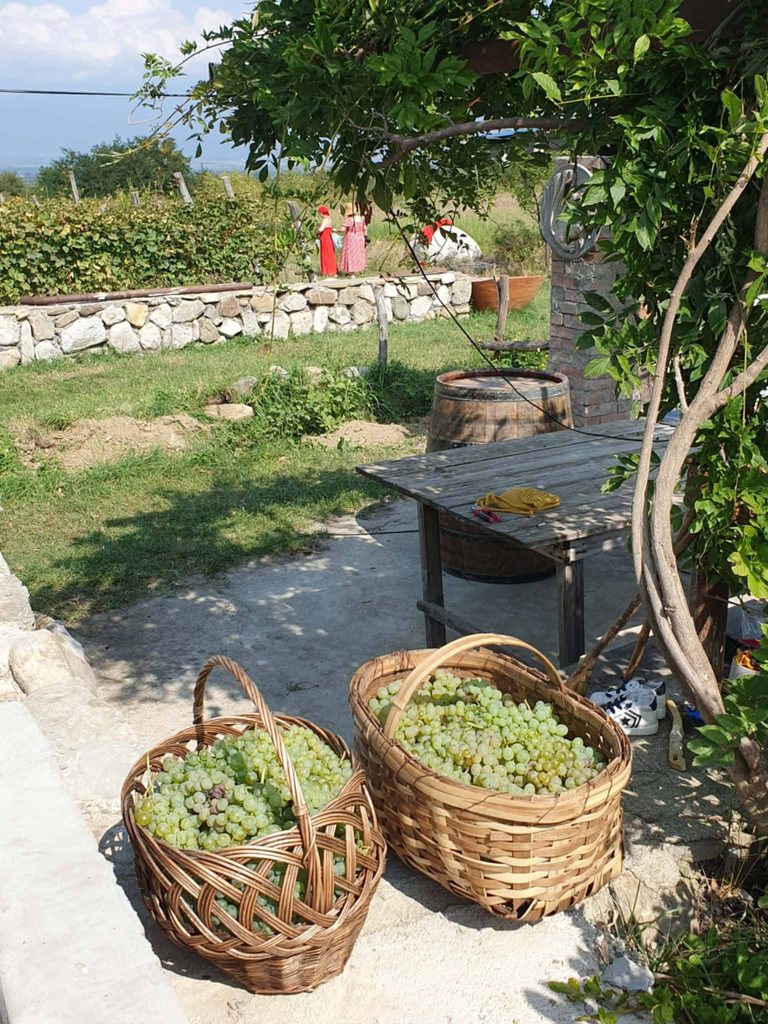
Their joint research, “Biodynamic Farms and Their Role in the Development of Sustainable Tourism Business (Based on the Example of the Ruispiri Biodynamic Farm),” explores the connections between agricultural production, local heritage and sustainable tourism in the Kakheti region.
Using Ruispiri Biodynamic Farm as a case study, the authors examine how a vineyard and wine cellar can diversify its activities through tourism. The research highlights opportunities for visitors to learn about farming and winemaking practices, taste locally produced food and wine, and experience the region’s agricultural and culinary traditions. It also considers how these activities can create additional income sources for rural businesses, support local employment and preserve traditional knowledge.
Alongside these opportunities, the authors identify challenges affecting business development, including production and labour costs, access to finance, transport infrastructure, staff shortages and limited information about farming practices. Their recommendations include stronger cooperation with tourism companies, improved visitor infrastructure, multilingual communication, digital promotion and the development of wine and food experiences.
The research closely aligns with the objectives of ENRICHER HUBs – “Designing Green Tourism Concepts Through Learning,” an EU-funded Erasmus+ project actively being implemented at Telavi State University. The project supports sustainable tourism education, practical learning and closer cooperation between universities and the tourism sector in Georgia and Moldova.
TeSaU’s Green Tourism Hub, established through the project, provides a space for sharing knowledge and good practices in sustainable tourism, service design and business development with students, academic staff and regional stakeholders. The Ruispiri case study offers relevant material for this work: its findings can inform classroom discussions, practical student assignments and dialogue with local tourism businesses about developing sustainable visitor experiences.
By connecting academic research with the opportunities and challenges facing rural enterprises, Tamar Tamarashvili and Maia Aladashvili’s work contributes to TeSaU’s wider efforts to support sustainable tourism and regional development.